Sustainable Tourism Helicopter Bali: A New Era in Eco-friendly Travel
Sustainable Tourism Helicopter Bali: A New Era in Eco-friendly Travel
As Bali embraces sustainable tourism, helicopter tours are evolving into eco-friendly experiences, reducing environmental impact while offering unique aerial views of the island.
Sustainable Tourism Helicopter Bali
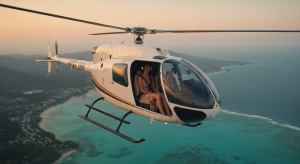
In recent years, Bali has been at the forefront of sustainable tourism, with a focus on preserving its rich cultural and natural heritage. The helicopter tour industry on the island is no exception, as it transitions to eco-friendly operations. These tours offer an method to witness Bali’s stunning landscapes, including its verdant rice terraces, rugged coastlines, and ancient temples, all while minimising the environmental impact. The shift towards sustainability is crucial for the island, which attracts millions of tourists annually, as it seeks to balance economic benefits with environmental preservation. By integrating green practices, such as reducing carbon emissions and supporting local conservation projects, the helicopter tour industry plays a pivotal role in supporting Bali’s sustainability goals.
Eco-friendly Heli Tours Bali: A Green Revolution
Eco-friendly helicopter tours in Bali are rapidly gaining momentum as operators adopt innovative technologies and practices aimed at reducing their ecological footprint. This green revolution involves the use of helicopters that produce lower emissions, thanks to advancements in aviation technology. For instance, newer models are designed to be more fuel-efficient, reducing carbon emissions by up to 30% compared to older models. In addition to technological upgrades, operators are implementing conservation measures, such as offsetting carbon emissions through reforestation projects and supporting local environmental initiatives. These efforts are not only enhancing the tourist experience by providing a guilt-free journey but also aligning with Bali’s broader environmental objectives, making helicopter tours a responsible travel choice for eco-conscious visitors.
What Steps Are Being Taken to Make Helicopter Tours in Bali More Sustainable?
The helicopter tour industry in Bali is taking several proactive steps to enhance sustainability. Firstly, operators are transitioning to fuel-efficient aircraft that consume less fuel and produce fewer emissions. This shift is complemented by the use of sustainable aviation fuels, which further reduce the carbon footprint. Additionally, noise pollution is being addressed through the use of quieter rotorcraft technologies, which not only benefit the environment but also the local communities and wildlife. Furthermore, helicopter tour companies are actively participating in and funding local conservation efforts, such as beach clean-ups and coral reef restoration projects. These initiatives are crucial in minimising the ecological footprint of aerial tourism, ensuring that the natural beauty of Bali is preserved for future generations.
Green Tourism Bali: The Role of Helicopter Tours
Helicopter tours play a significant role in promoting green tourism in Bali by offering a low-impact alternative to traditional ground-based tours. By providing an aerial perspective, these tours reduce the need for ground-level transportation, which often contributes to traffic congestion and higher emissions. This approach not only alleviates pressure on Bali’s infrastructure but also allows tourists to appreciate the island’s natural beauty from a unique vantage point. The tours often highlight key ecological areas, such as the lush forests of the central highlands and the iconic rice paddies of Tegalalang, educating visitors on the importance of conservation. In doing so, helicopter tours contribute to a balanced tourism model that prioritises environmental consciousness while still offering an unforgettable experience.
2027 Note: Future Developments in Sustainable Aerial Tourism
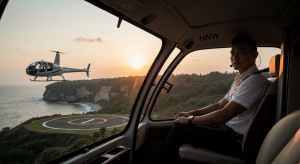
As of 2027, Bali continues to lead the way in sustainable tourism with plans to incorporate even more advanced technologies into its helicopter tour industry. The introduction of hybrid and electric helicopters is on the horizon, promising significant reductions in carbon emissions. Electric helicopters, which are expected to enter service in the coming years, could cut emissions by up to 50% compared to conventional models. These advances are a reflection of Bali’s commitment to a greener future, ensuring that tourism growth does not compromise the island’s ecological integrity. Furthermore, the development of eco-friendly infrastructure, such as solar-powered helipads and charging stations, will support the integration of these new technologies. These future developments underscore Bali’s dedication to sustainable tourism and its role as a leader in eco-friendly travel.
FAQ
What steps are being taken to make helicopter tours in Bali more sustainable?
Helicopter tour operators in Bali are adopting fuel-efficient technologies, such as upgrading to newer, low-emission aircraft and utilising sustainable aviation fuels. They are also reducing noise pollution with quieter rotorcraft and supporting local conservation projects, such as reforestation and coral reef restoration, to enhance sustainability.
How do eco-friendly heli tours in Bali benefit the environment?
Eco-friendly helicopter tours benefit the environment by significantly reducing carbon emissions and noise pollution. By supporting conservation efforts and providing an educational experience on the importance of preserving Bali’s natural landscapes, these tours offer a sustainable way to explore the island while contributing to its ecological preservation.
Are there any future plans for further reducing the environmental impact of helicopter tours in Bali?
Yes, future plans include the adoption of hybrid and electric helicopters, which will further reduce emissions and enhance the sustainability of aerial tourism in Bali. Additionally, the development of eco-friendly infrastructure, such as solar-powered helipads, will support these advancements, ensuring a minimal environmental impact.